A guest star in the daytime
Kaifeng, China
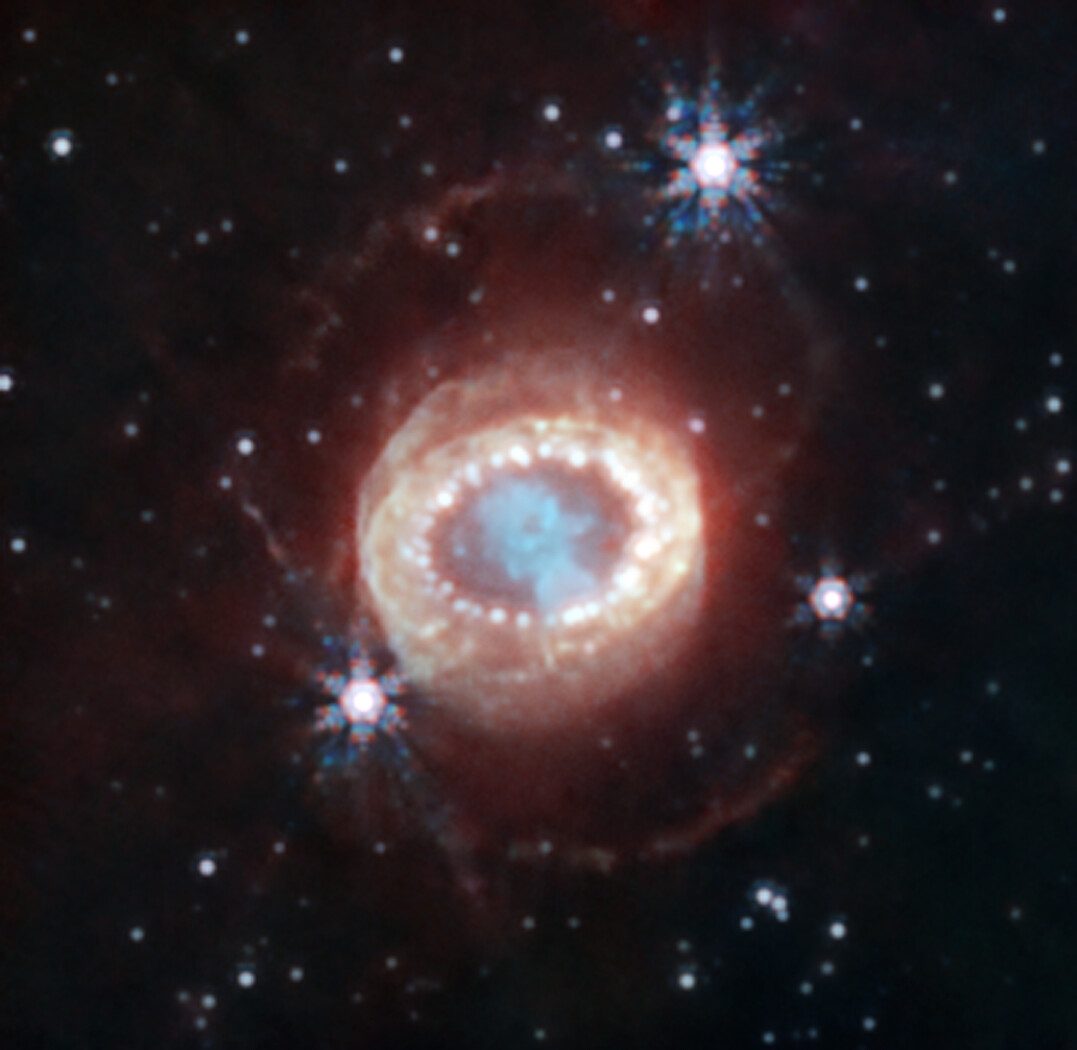
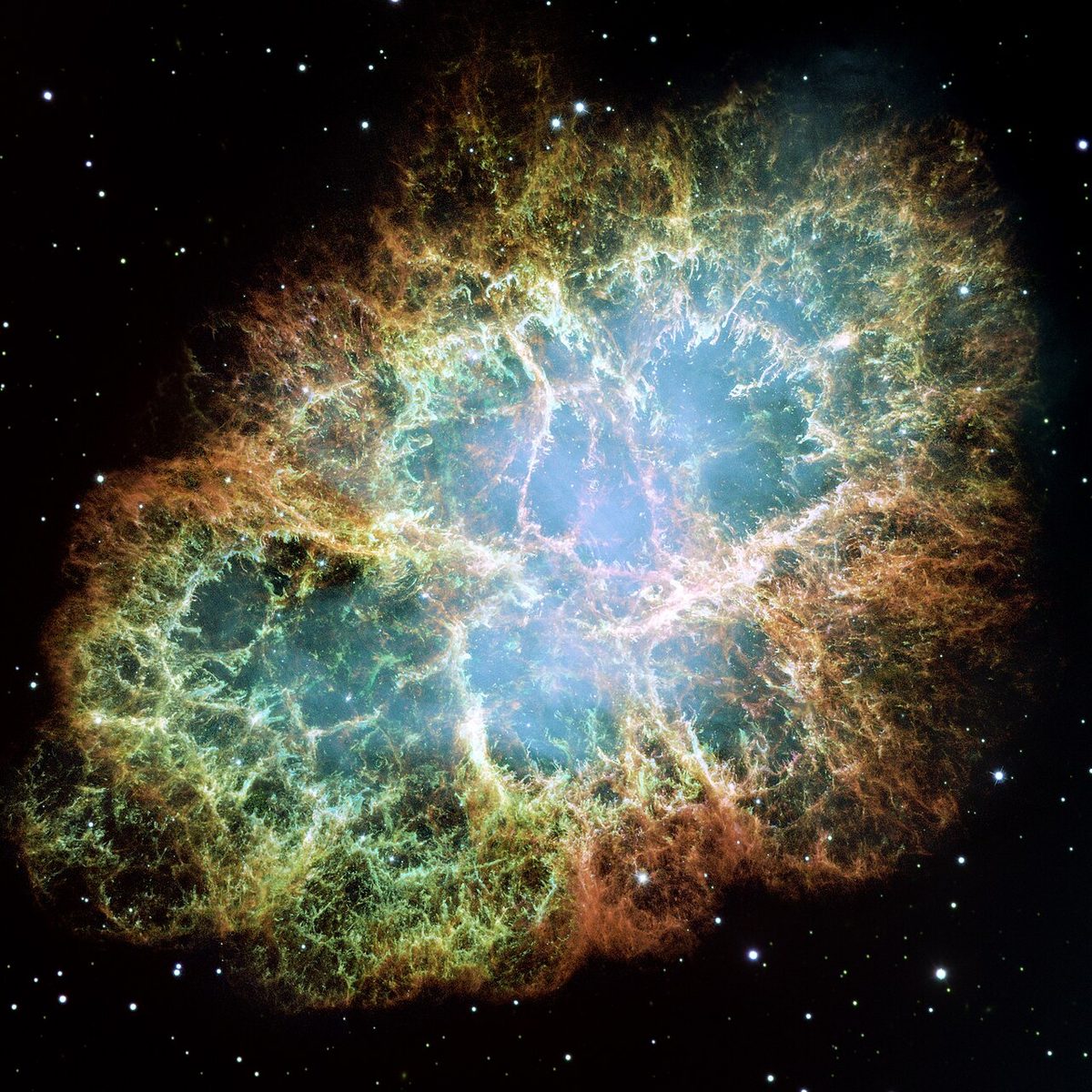
Court astronomers of the Song dynasty logged a "guest star" near the horns of the Bull, bright enough to see in daylight for 23 days. It was a star blowing itself apart. What's left of it is the Crab Nebula, still expanding 6,500 light years away.
The Song records say the star stayed visible at night for 642 days, until April 1056. One account says that in daylight it looked like Venus, with rays pointing in all directions and a reddish-white color. A Japanese diary and an Arabic account by the physician Ibn Butlan also mention a new star around that time. No clear European record has been found.
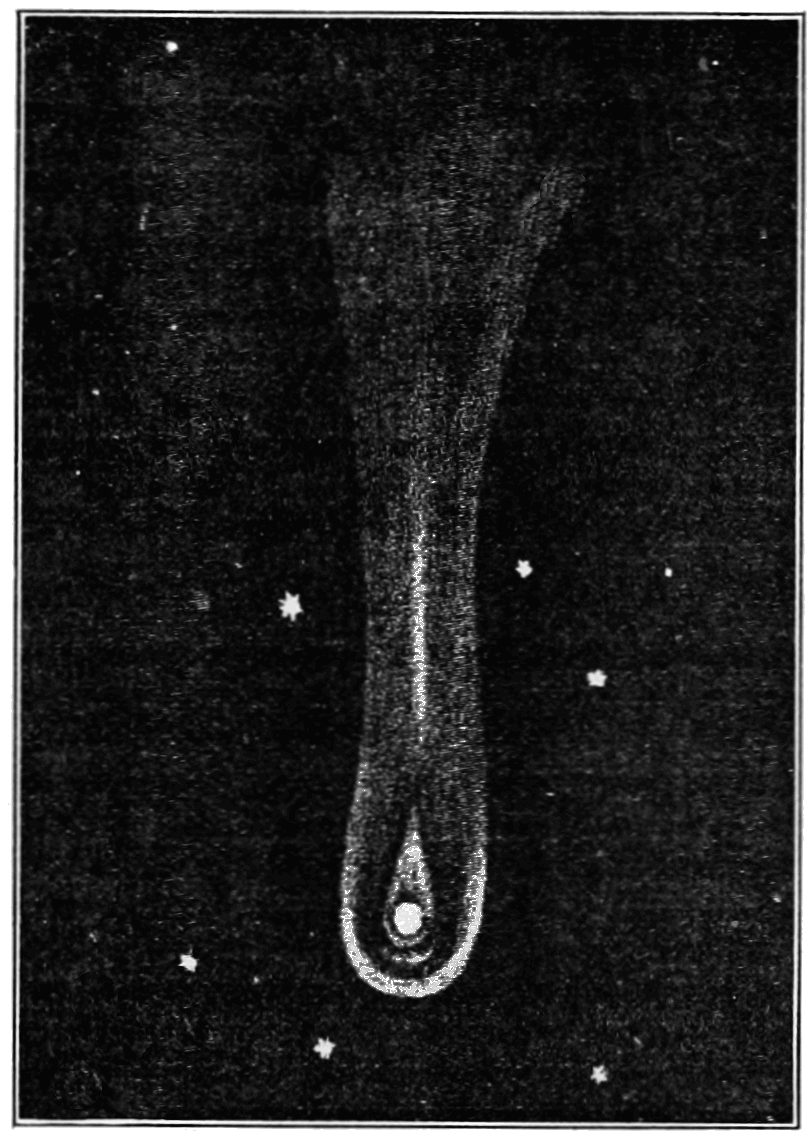
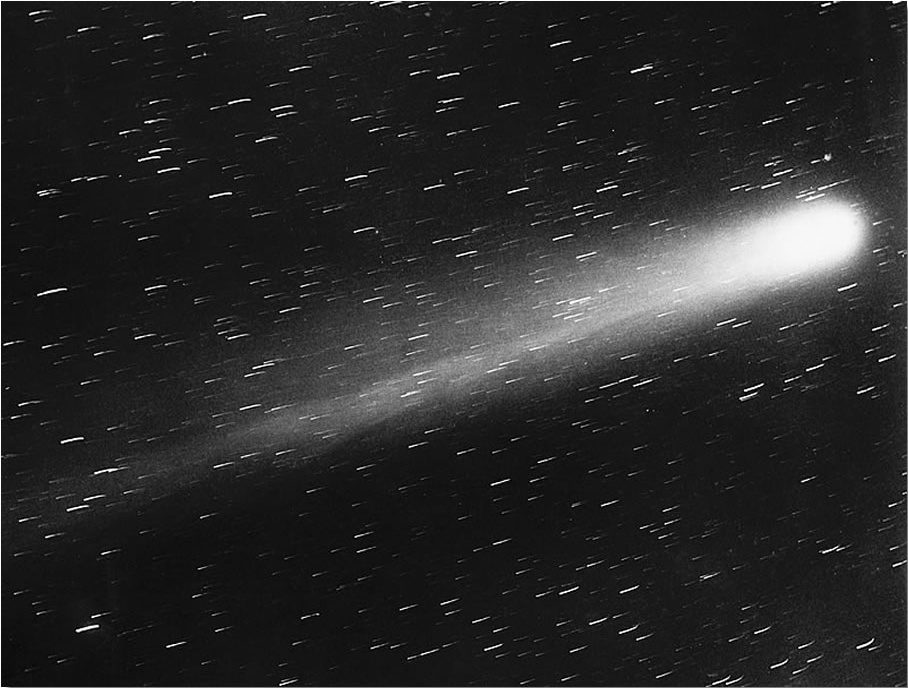
John Bevis spotted the cloud the star left behind in 1731. In 1758 Charles Messier, searching for the return of Halley's Comet, mistook it for a comet. That mistake pushed him to start his catalog of things that are not comets, and the Crab became its first entry, M1. Only in the 20th century did astronomers tie the nebula to the guest star of 1054.
At the Crab's heart is the collapsed core of the star: a neutron star about 20 km across that spins about 30 times a second. Radio astronomers picked up its pulses in 1968.
In the sky Before dawn in the east, near the tip of Taurus's southern horn.
See the sky that day